
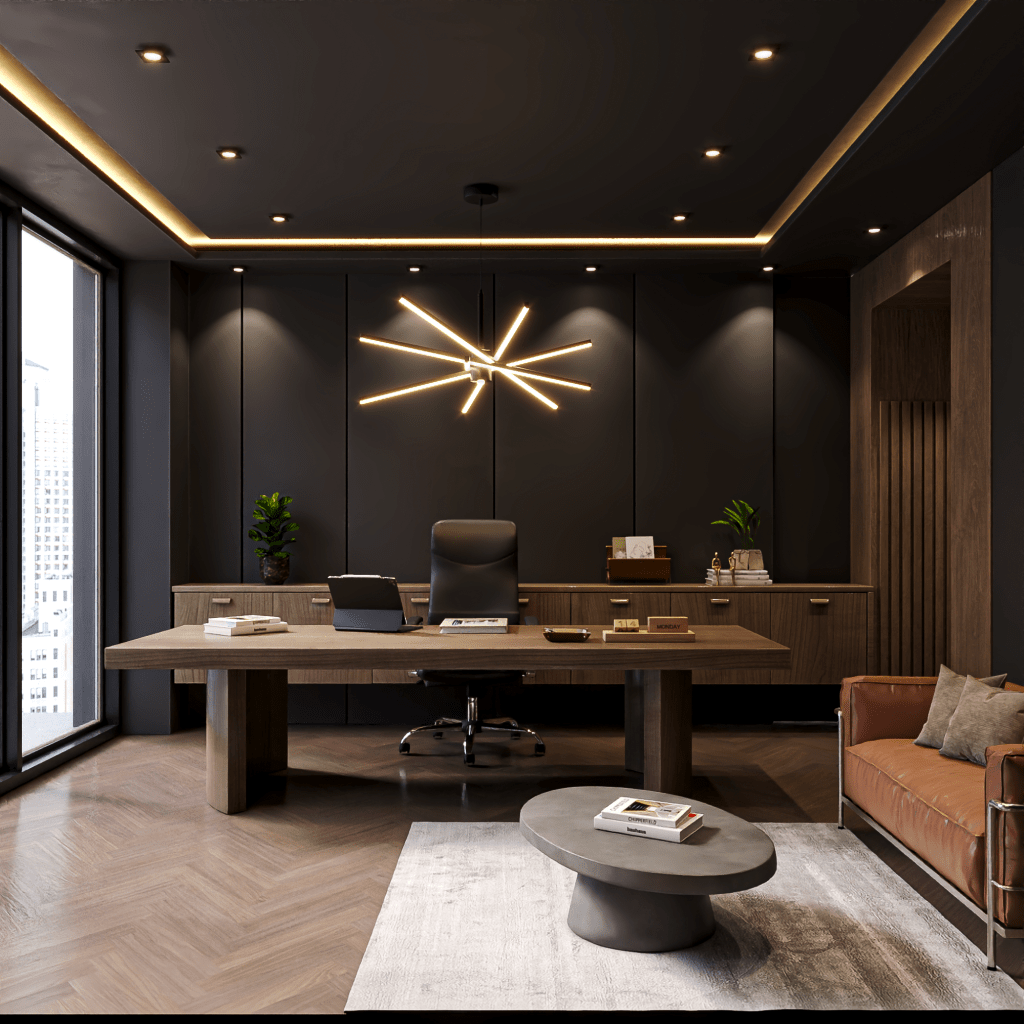
The world of 3D modeling is entering a new phase in 2026. What once focused mainly on visual realism is now driven by design intelligence, efficiency, and experience-based spaces. Designers, architects, and visualization studios are searching for assets that are ready to use, visually refined, and aligned with real interior design trends.
At Artazi Design, we closely follow these changes to create 3D models that match the new benchmark of the industry.
1. The Rise of “Design-Ready” 3D Models
In 2026, buyers no longer want raw assets that require heavy setup. The demand has shifted toward design-ready 3D models that can be placed directly into professional scenes.
Today’s most valuable models feature:
- Correct real-world scale
- Clean, optimized topology
- Professionally balanced proportions
- Ready-to-use materials
- Fast integration into interior scenes
This is especially critical for office interiors, where consistency and speed are essential.
🏢 2. Office Interiors Are Becoming More Human
Office design has dramatically evolved. Cold, purely functional workspaces are being replaced by human-centered, calming environments that support focus, creativity, and well-being.
Key trends shaping office interiors in 2026:
- Biophilic design and natural elements
- Home-office inspired layouts
- Soft, minimalist aesthetics
- Neutral color palettes
- Organic forms and textures
This shift mirrors broader global workplace design movements highlighted by leading architecture platforms such as ArchDaily (external link set as no-follow), where flexibility, wellness, and nature-driven interiors dominate modern office projects.
As a result, demand has increased for:
Realistic indoor plant 3D models
Decorative objects with soft forms
Styled office accessories
Calm, modern interior compositions
🌿 3. Plants & Organic Objects Remain a Top-Selling Niche
One of the strongest and most stable niches in 2026 is still realistic plant and decorative object modeling — but with higher standards.
What buyers now look for:
- Natural imperfections are expected
- Variation within the same model is crucial
- Light-reactive materials matter more than poly count
- Artistic styling beats generic realism
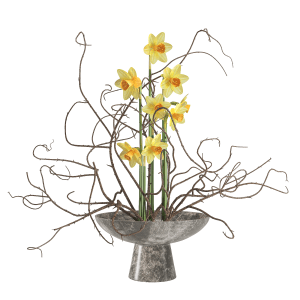
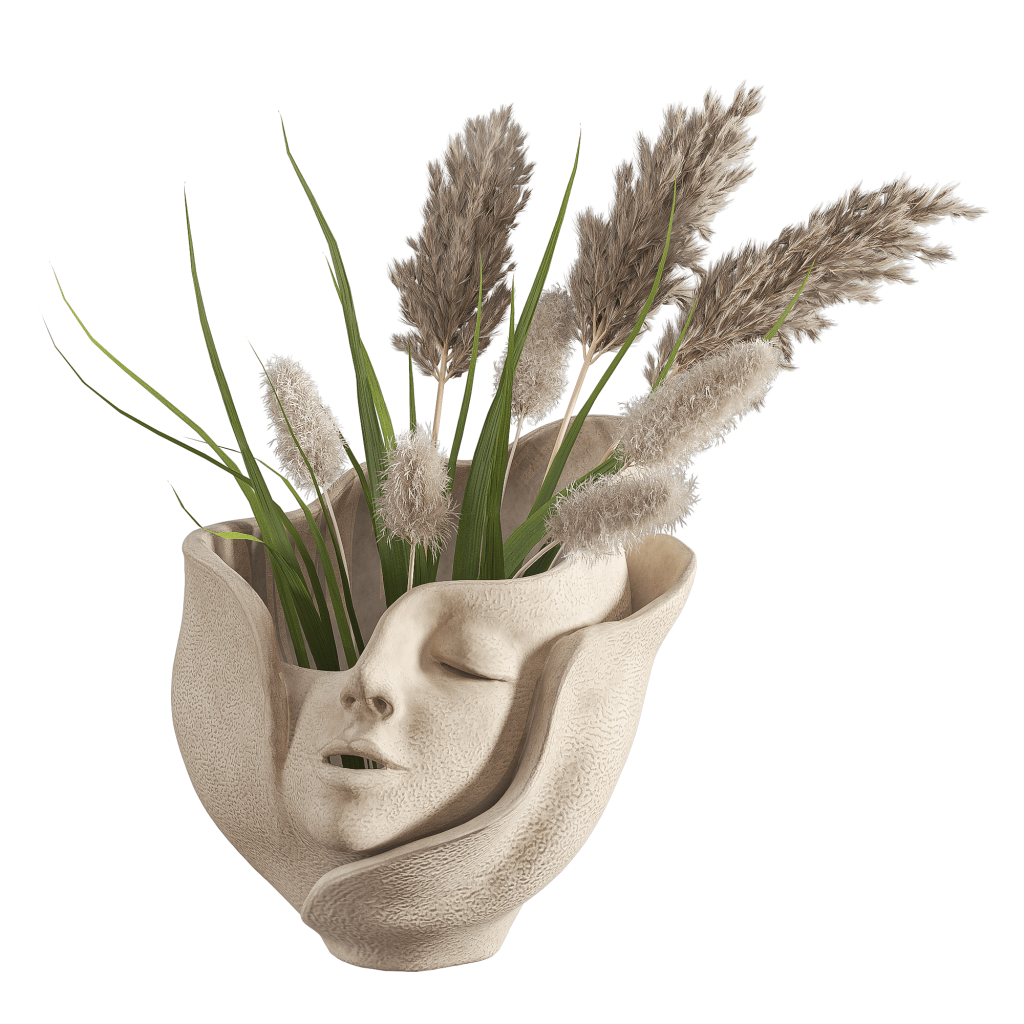
Plants, vases, sculptures, and décor pieces that feel curated and intentional perform significantly better than mass-produced assets.
4. From Single Objects to Complete Interior Sets
Another major update in 2026 is the shift from single-object purchases to complete interior model sets.
Designers now search for:
- Styled office scenes
- Coordinated décor collections
- Interior-ready asset packs
- Consistent visual language
Complete sets help clients:
✔ Save time
✔ Present concepts faster
✔ Maintain design consistency
This trend is especially strong in office interiors, home offices, studios, and commercial spaces.
5. Optimization Is as Important as Beauty
In 2026, beautiful models that slow down scenes are losing value. Buyers expect:
- Optimized geometry
- Clean UVs
- Efficient material setups
- Compatibility with V-Ray and Corona
- Smooth performance in large interior scenes
Optimization is no longer optional — it’s part of the quality benchmark.
2025 vs 2026: What Has Changed in 3D Modeling?
In 2025, most 3D assets focused primarily on visual realism and isolated objects. While many models looked good, designers often needed to adjust scale, materials, or composition before they were usable in real projects.
In 2026, the market has clearly shifted toward design-aware and context-ready assets. Today’s models are created with interior trends, usability, and workflow efficiency in mind. Instead of single objects, designers now prefer curated interior sets, biophilic elements, and office environments that feel complete and human from the first render.
This evolution shows that 3D models are no longer just technical elements — they are design tools that help professionals communicate ideas faster and more effectively.
 Art Azi Designs
Leave a comment