
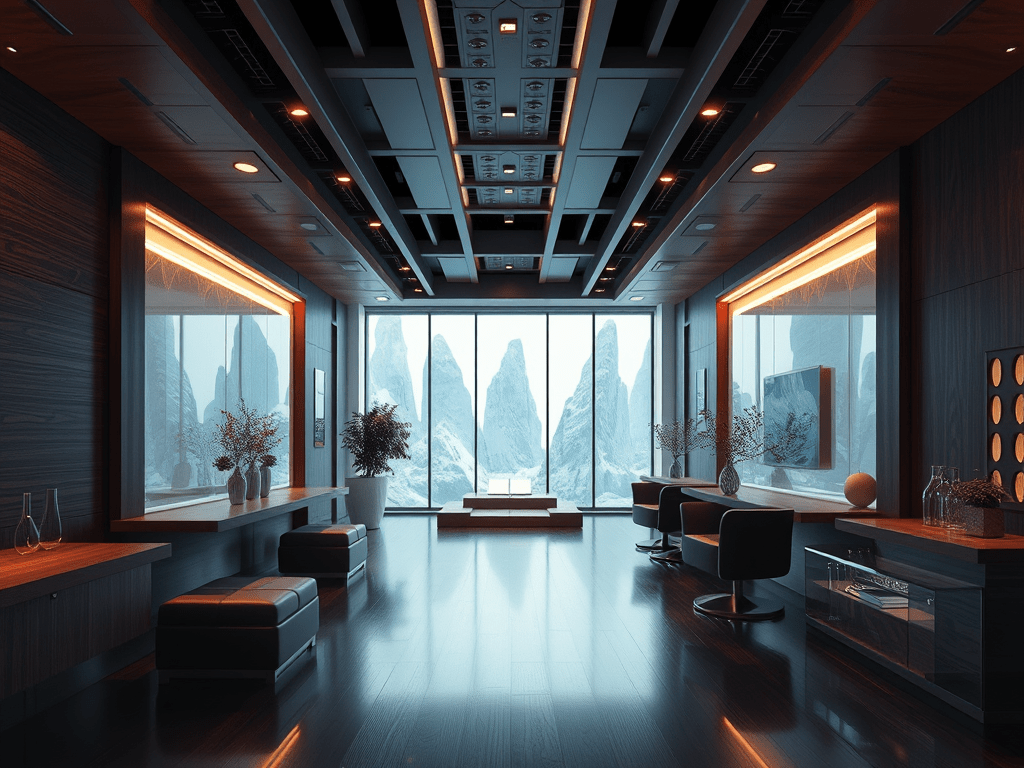
The world of 3D art is changing quickly, and hyper-realistic 3D modelling is becoming a popular trend. As technology improves, artists and designers can create details and realism that were once thought impossible. Hyper-realistic 3D art is changing digital experiences in areas like architectural visualization, product design, gaming, and visual effects for movies.
What is Hyper-Realistic 3D Art?
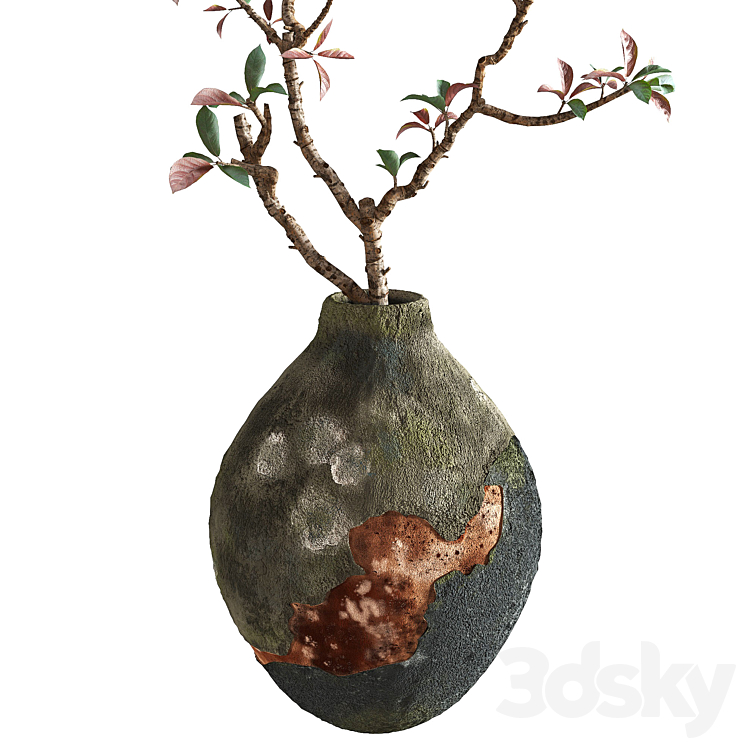
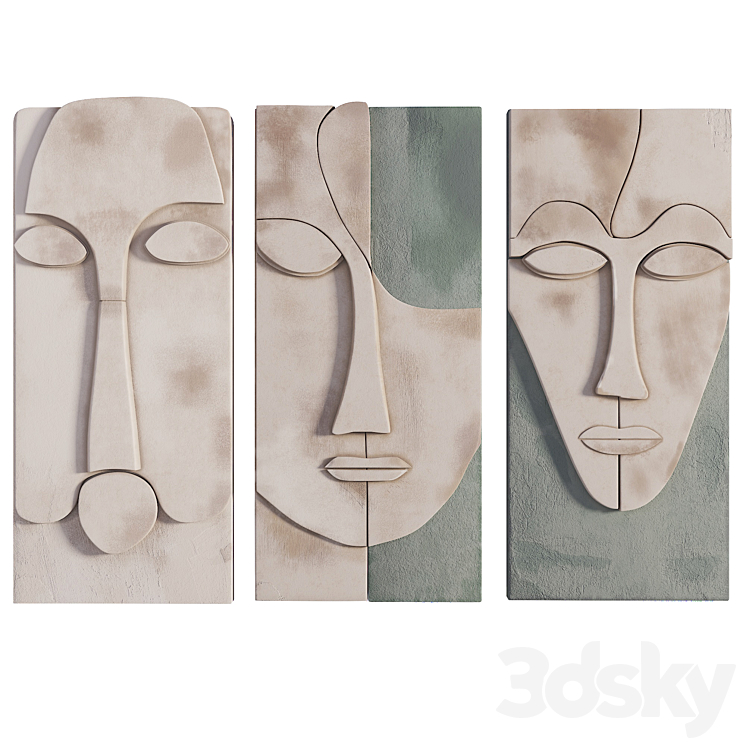
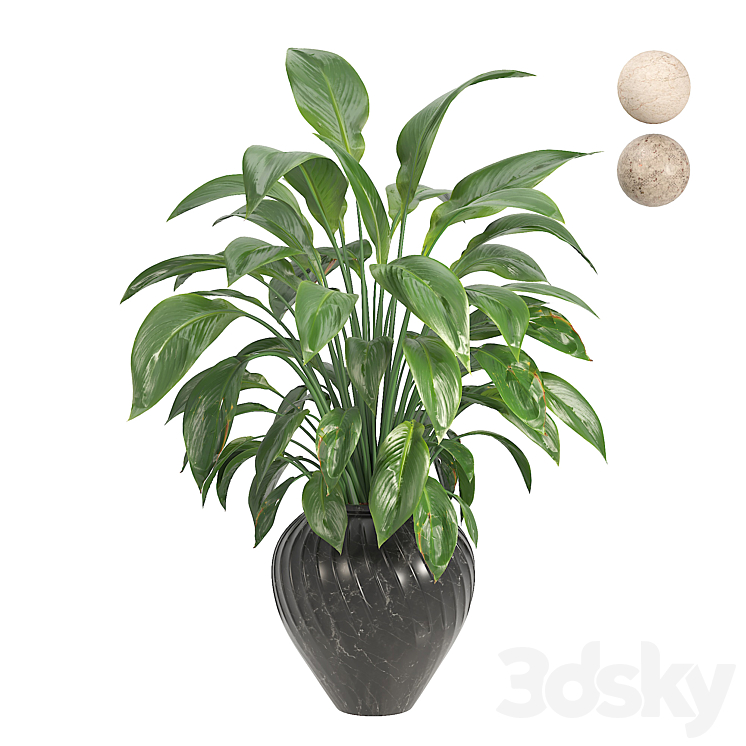
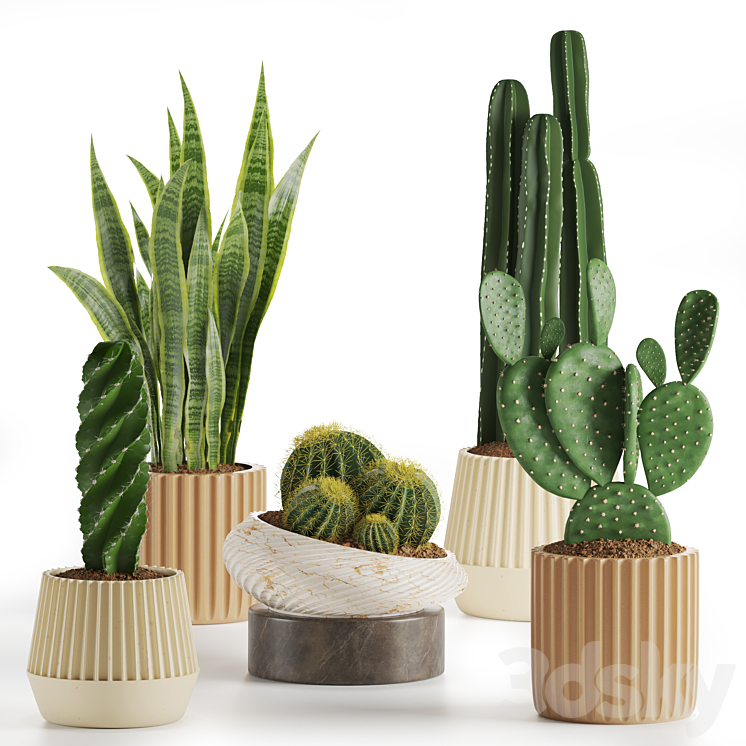
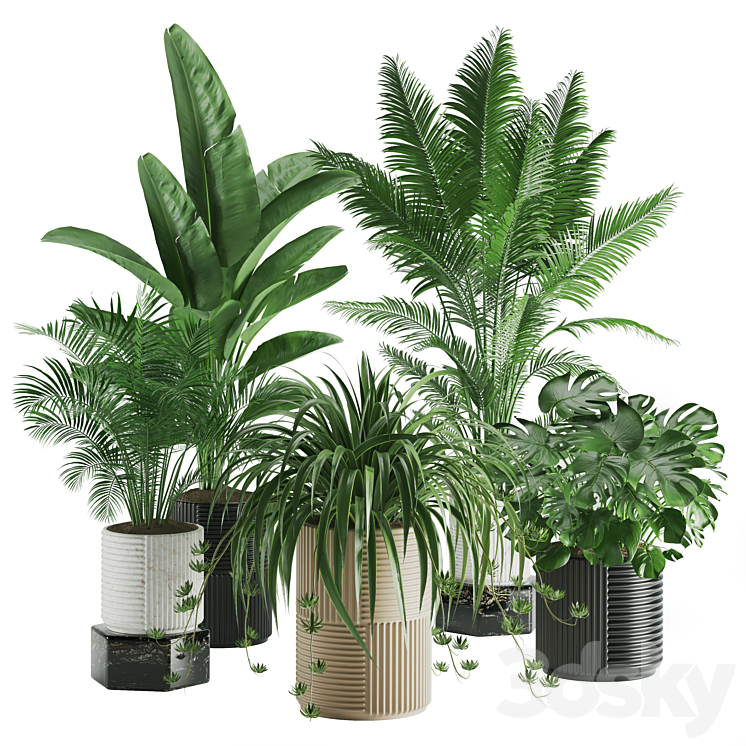
Hyper-realistic 3D art is a remarkable form of digital artistry that captures the essence of real-world objects, materials, and lighting with breathtaking precision and an almost photographic quality. Through high-resolution textures and advanced rendering techniques, artists breathe life into their creations, celebrating the beauty of intricate details, subtle imperfections, and the interplay of light and shadow. Their work transcends mere representation, crafting visuals so lifelike that they inspire awe and wonder, challenging our perceptions of reality. This extraordinary pursuit not only showcases immense technical skill but also ignites the imagination and stirs the soul, inviting us to explore the limitless possibilities of creativity.
Key Technologies Behind Hyper-Realistic 3D Art
Several cutting-edge technologies contribute to the rise of hyper-realistic 3D art:
- Photogrammetry & 3D Scanning: Artists now use photogrammetry and high-resolution scanning to capture real-world objects with precision and translate them into ultra-detailed 3D assets.
- Ray Tracing & Path Tracing: Advanced rendering techniques like ray tracing, which simulates how light interacts with objects, make realistic lighting and shadowing possible.
- AI-Powered Enhancements: Machine learning and AI-driven tools help automate texturing, detail generation, and model optimization for even greater realism.
- Procedural Texturing & Subsurface Scattering: Complex material shaders replicate natural textures such as human skin, wood grain, and metallic reflections with extreme accuracy.
Applications of Hyper-Realistic 3D Art
Hyper-realistic 3D art is making a significant impact across multiple industries:
- Architecture & Interior Design: High-fidelity renders allow architects and designers to present lifelike visuals of spaces before they are built.
- Gaming & Virtual Worlds: AAA game studios use hyper-realistic 3D assets to enhance immersion and storytelling in next-gen games.
- Film & Animation: VFX artists leverage advanced 3D modelling to create lifelike digital humans, props, and environments.
- Product Visualization: Brands use hyper-realistic renders to showcase their products in a digital space, reducing the need for costly physical prototypes.
The Future of Hyper-Realistic 3D Art
As rendering engines and real-time technologies continue to advance, hyper-realistic 3D art is becoming more accessible to creators of all skill levels. Tools like Unreal Engine, Vray, and Corona are bridging the gap between pre-rendered and real-time photorealistic visuals, allowing for faster production workflows and enhanced interactivity.
If you’re a 3D artist or designer, diving into the world of hyper-realism can really open up a whole new range of creative possibilities and career paths! Whether you’re working on visual storytelling, promoting products, or creating immersive virtual environments, there’s a growing demand for stunningly realistic 3D content. It’s an exciting time to explore your artistic talents!
Are you exploring hyper-realistic 3D art in your projects? At ArtAziDesigns, we specialize in creating high-quality 3D assets that bring your vision to life with unparalleled realism. Contact us today to discuss your next project!







 Art Azi Designs
Leave a comment