
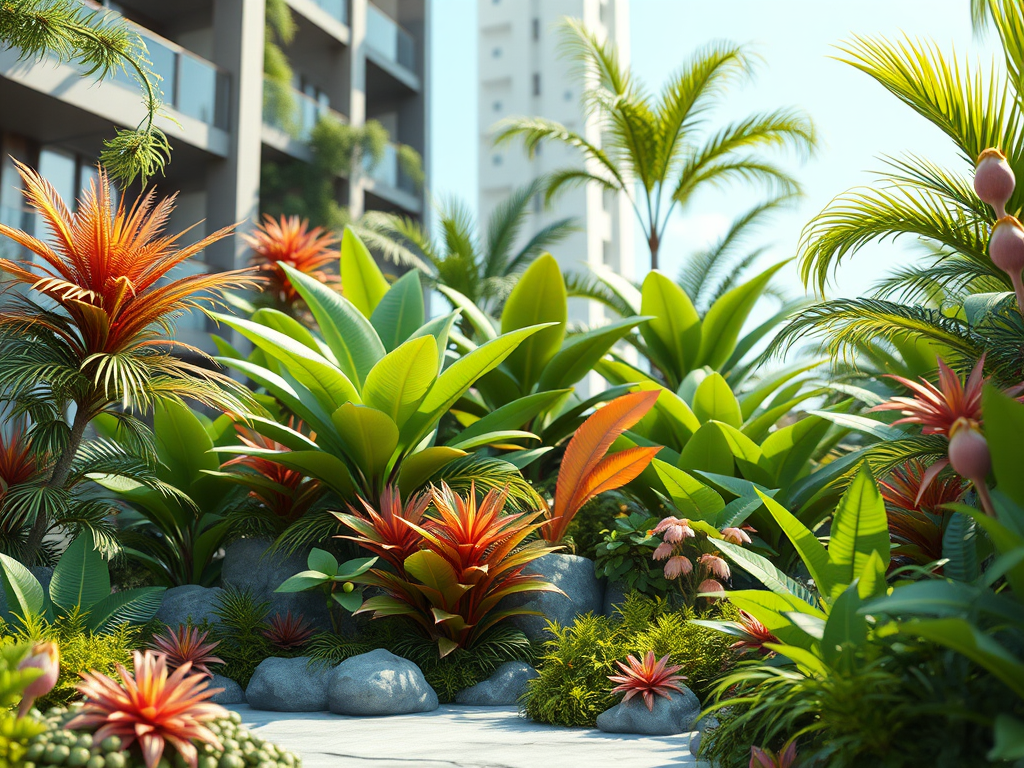
In the fast-paced world of 3D modeling, especially for landscape design, 3D plant models have become a game-changer. They’re not just about adding plants to a scene—they’re about creating immersive experiences, streamlining workflows, and making projects shine. Let’s dive into how these models are making waves in landscape design and why they matter to you as a 3D modeler.
Bringing Realism to Life
Forget flat 2D sketches—3D plant models let you craft hyper-realistic landscapes with detailed textures, lifelike growth patterns, and seasonal changes. Your clients or collaborators can explore these designs from every angle, feeling the depth and detail you’ve poured into the project. Plus, you’ll impress stakeholders by spotting potential design challenges early, all thanks to the immersive power of 3D.
Simplifying Communication Across Teams
Ever struggled to explain your vision to someone who doesn’t “get” 3D? These models act as a visual bridge, making it easy for clients, architects, and other team members to understand your designs. They’re perfect for breaking down complex ideas into something everyone can appreciate, and they streamline the feedback loop, saving you time and headaches.
Faster Design with Creative Freedom
Who doesn’t love rapid prototyping? With 3D plant models, you can quickly swap out species, rearrange layouts, and play with different aesthetics. This speed gives you room to experiment and refine, leading to innovative solutions that would be harder to visualize on paper or with basic 2D tools.
Precision for Smarter Decisions
Imagine analyzing your designs in ways that go beyond looks—how plants will grow, how seasons will change the scene, or how the environment will respond to your layout. Advanced tools let you simulate these factors, helping you deliver sustainable and future-proof designs that impress even the most detail-oriented clients.
Making Clients Fall in Love with Your Work
Let’s be real—clients love shiny, immersive presentations. Use VR, AR, or interactive walkthroughs to give them a tour of your designs before they’re built. These tools help clients “see” your vision and feel confident in their choices, which means smoother approvals and happier partnerships.
Going Green in a Digital World
Sustainability isn’t just a buzzword—it’s a must. 3D plant models help you integrate eco-friendly practices into your designs by simulating things like water usage, energy efficiency, and ecological impact. You’ll not only create beautiful landscapes but also align with the growing demand for responsible design.
Showcasing Your Talent
Your work deserves to be seen. High-quality renders, animations, and interactive models aren’t just great for clients—they’re perfect for your portfolio. Use them to attract new projects, impress collaborators, and establish yourself as a go-to artist in landscape design.
Why It Matters
3D plant models aren’t just tools—they’re opportunities to elevate your work. They let you create jaw-dropping visuals, build stronger connections with clients, and push the boundaries of what’s possible in landscape design.
I’ll be diving deeper into each of these points soon, offering practical tips and tricks to help you level up your 3D modeling game. Whether it’s achieving better realism, mastering communication, or creating sustainable designs, there’s so much more to explore.
Would you like me to save anything about how 3D plant models can transform your designs or help in sustainability for future reference?
 Art Azi Designs
Leave a comment