

To make your 3D models truly stand out and appeal to interior designers, it’s crucial to concentrate on realism, usability, and adaptability. The following guidelines incorporate advanced techniques and tools to help you maximize the value of your models:
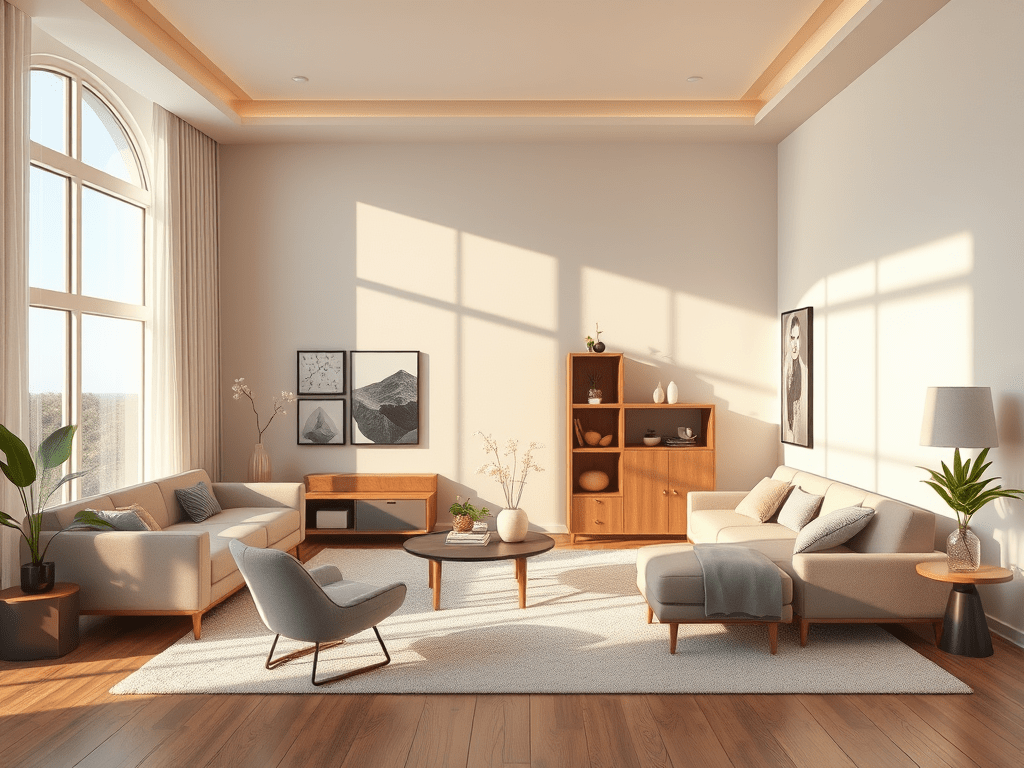
1) Realism & Quality
- Photorealistic Textures: Use high-resolution textures (2K-4K) and diffuse, bump, normal, and specular maps.
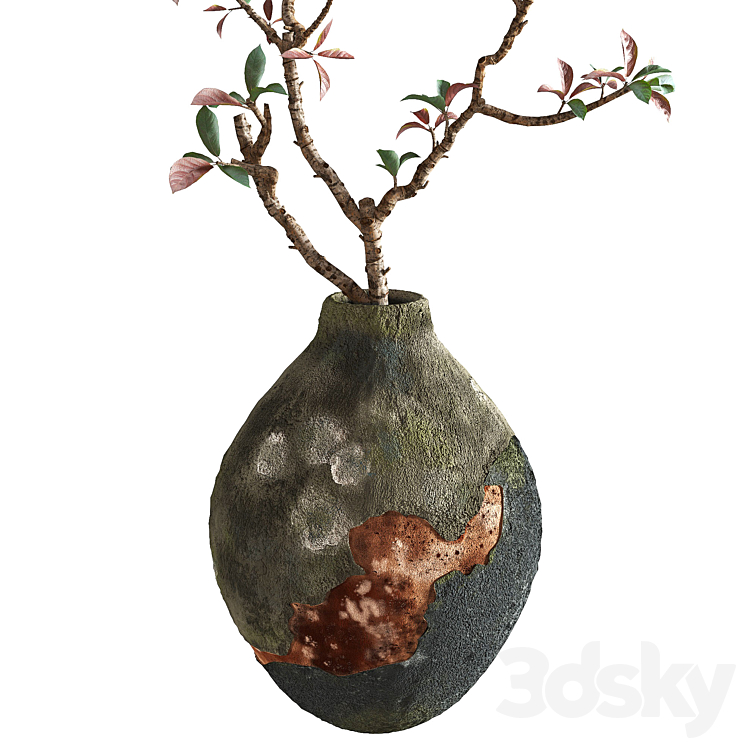
- Accurate Detailing: Introduce realistic imperfections, such as natural blemishes and subtle irregularities in materials.Professional Materials: Take advantage of Vray and Corona materials or PBR workflows for heightened realism.Lighting Ready: Optimize your models for performance in various lighting scenarios, including daylight and HDRI setups.
- Camera Experimentation: Experiment with camera settings, such as aperture, to produce visually captivating renders with a controlled depth of field.
2) Usability & Compatibility
- Clean Geometry: Keep optimized polycounts while avoiding overlapping faces and unnecessary polygons.
- Multiple File Formats: To ensure a wider reach, offer models in formats such as .max, .obj, .fbx, and .blend.Rendering Tools: Use Vray and Cedreo to create detailed, photorealistic previews that guarantee professional-quality output.
- Augmented Reality Integration: Export AR-ready models, enabling designers to visualize them in real-world settings and thereby enhance their sales pitches.
3) Customization & Variations
- Adjustable Features: Enable users to modify size, colour, and materials according to their preferences.
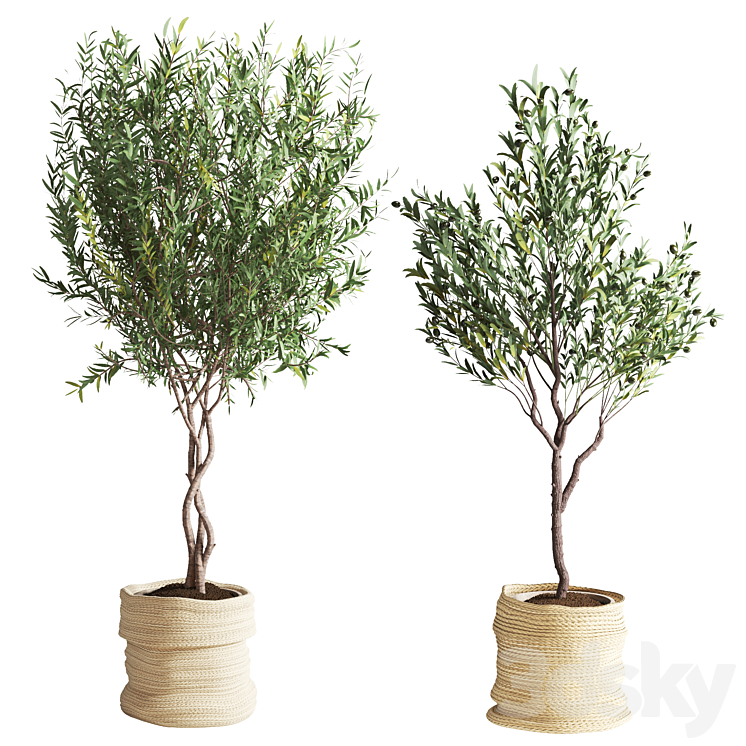
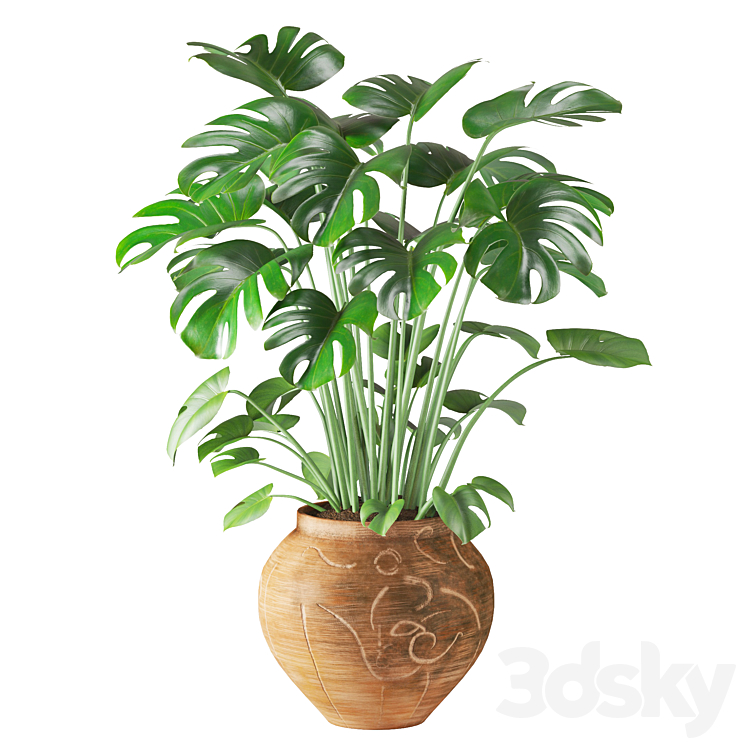
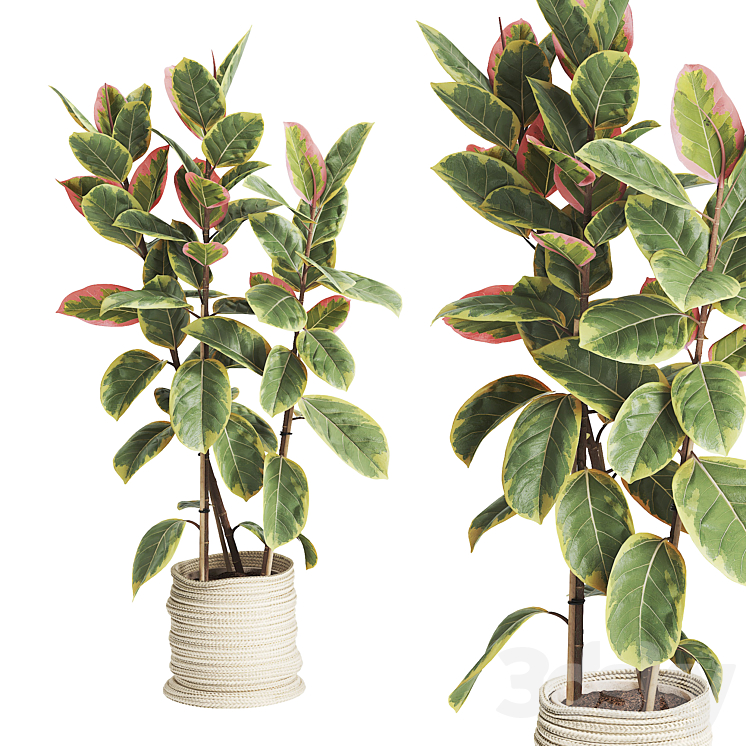
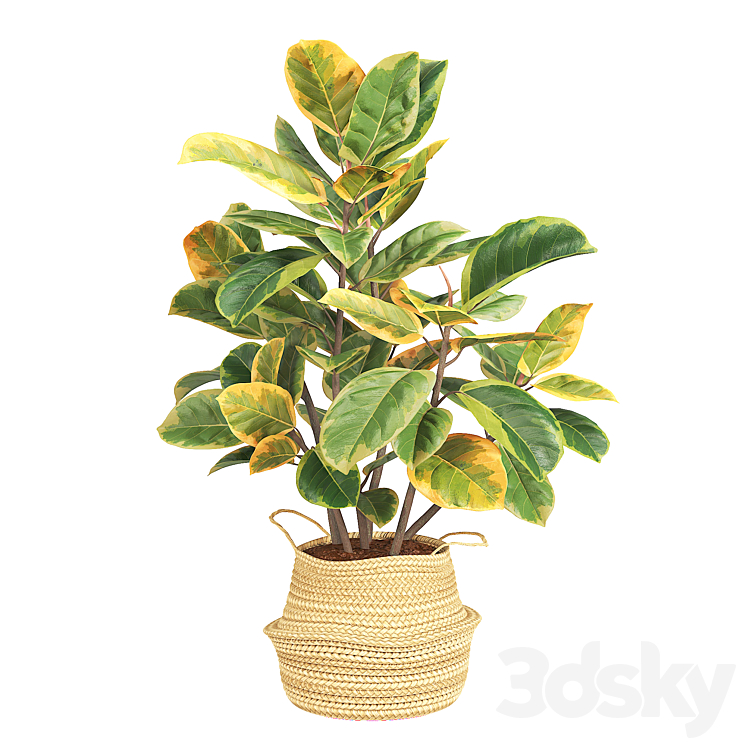
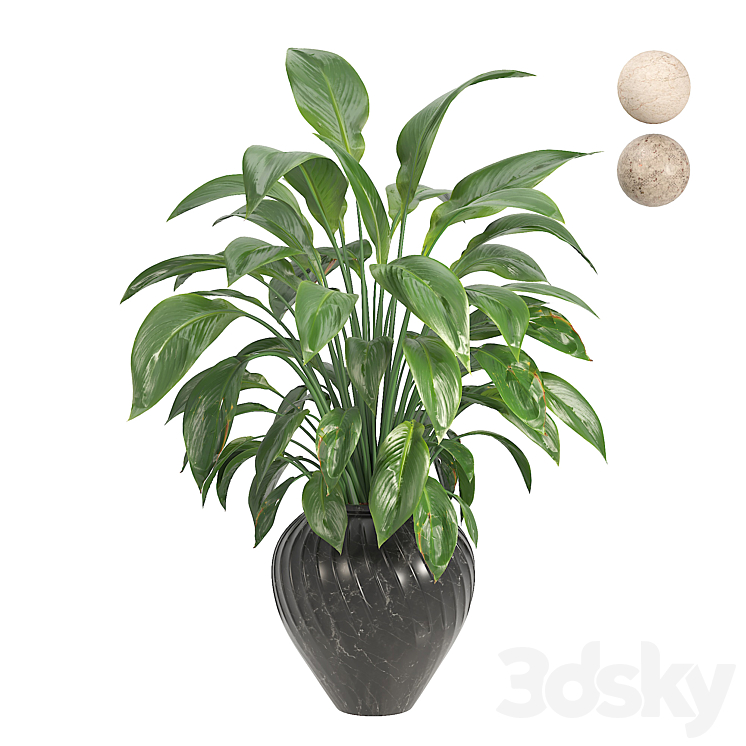
- Variations: Offer different styles, pot designs, and plant maturity options.
- Thoughtful Color Choices: Avoid overwhelming designs with too many colours or materials. Opt for a balanced palette that aligns with current interior design trends.
4) Presentation & Marketing
- Professional Previews: Present renders in various interior design styles, such as minimalist, rustic, and modern.
- 360° Views: Develop interactive 360° previews for online platforms.In-context Renders: Showcase models within realistic interior scenes to highlight their potential uses.AR Support: Utilize augmented reality for immersive product demonstrations.
- Detailed Descriptions: Include metadata such as dimensions, polycounts, and key features.
5) Collaboration & Communication
- 3D Design for Collaboration: This tool promotes teamwork by enabling shared prototypes among design teams, architects, and clients.
- Streamlined Communication: Utilize digital models as a visual language to clarify design intentions.
- Interactive Tools: Use 3D models to demonstrate potential design adjustments in real time.
6) Technical Excellence
- Scale Accuracy: Ensure real-world dimensions for seamless integration within interior design workflows.
- LOD (Level of Detail): Provide multiple versions to cater to varying levels of detail, from close-ups to distant views.Scene Setup: Include preconfigured lighting and camera setups for smooth rendering processes.
- Streamlined Workflow: Ensure compatibility with collaborative platforms and design software like Cedreo.
7) Client Engagement
- Enhanced Visual Impact: Realistic, interactive models lead to engaging presentations that speed up client decisions.
- Simplified Iterations: Offer editable models to adapt easily to specific project requirements.
- Better Outcomes: High-quality 3D models build trust and satisfaction, increasing the likelihood of repeat business.
By incorporating these elements, your models will become indispensable assets for interior designers, enriching their creative processes and boosting client engagement.
Creating 3D models that cater to the needs of interior designers requires a focus on realism, usability, and adaptability. From photorealistic textures and precise detailing to the use of advanced rendering tools like Vray and Corona, each step enhances the quality and visual appeal of the models. Usability is maximized through optimized geometry, multiple file formats, and AR integration, while customization options and thoughtful color choices ensure versatility across projects. Effective presentation techniques, such as professional renders, in-context previews, and interactive 360° views, amplify marketing impact, and the inclusion of collaborative features facilitates seamless communication between design teams and clients. Each of these elements is a cornerstone for creating models that stand out, and I will elaborate on each in greater detail in the future posts to provide a comprehensive guide for enhancing 3D assets for the interior design industry.


 Art Azi Designs
Leave a comment