
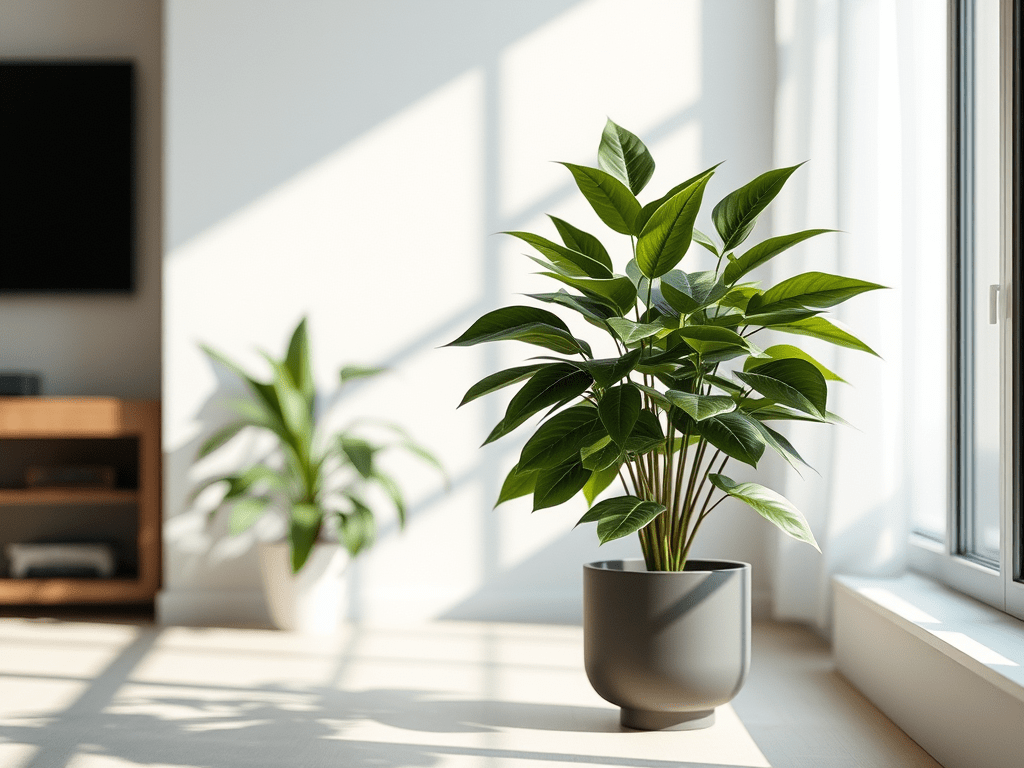
Indoor plants have become a staple in modern interior design, transforming spaces with a touch of nature. Now, with advancements in 3D modeling, designers can incorporate realistic indoor plant 3D models to elevate their designs. Created using software like 3ds Max, these models bring several advantages to the table.
Why 3D Plant Models are Essential for Interior Design
3D plant models add life and realism to interior design renderings. These models simulate the intricate details of real plants, making spaces feel more vibrant and appealing. Unlike physical plants, 3D models are maintenance-free, offering flexibility to experiment with various placements without constraints. Designers can showcase multiple versions of the same space, helping clients visualize the end result more effectively.
Benefits of Using 3ds Max for 3D Plant Models
3ds Max is one of the leading tools in the 3D modeling industry. Its extensive features allow designers to create highly detailed and realistic plant models that perfectly integrate into any environment. Here are some of the key benefits:
- Versatility: 3ds Max allows for easy modification of plants, from their size to their color. You can adjust the textures and lighting to match different design needs.
- Time-Saving: Once a 3D plant model is created, it can be reused across multiple projects. This saves time and effort, allowing designers to focus on other aspects of the design.
- Realism: 3ds Max offers powerful rendering tools that make plant models look as close to real life as possible, enhancing the overall aesthetic of the interior design.
Applications of Indoor Plant 3D Models in Design Projects
Indoor plant 3D models are highly versatile and can be used in various design scenarios. Here are a few applications:
- Residential Interiors: Adding 3D models of indoor plants to residential projects can create a warm, inviting atmosphere without the hassle of caring for live plants.
- Commercial Spaces: Office spaces and retail stores can use 3D plant models to enhance their aesthetic appeal, creating an environment that feels welcoming and lively.
- Architectural Visualization: Architects use 3D plant models to complete the overall visual experience, giving potential buyers or stakeholders a clear understanding of how greenery complements the space.
End-User Benefits of 3D Plant Models
For the end-user, these 3D plant models provide several key benefits:
- Low Maintenance: Since the plants are digital, users don’t have to worry about watering or maintaining them.
- Customization: Users can choose from a variety of plant types and styles, allowing them to find the perfect match for their space.
- Cost-Effective: There’s no need to purchase and replace live plants. 3D models offer a one-time investment that can be used indefinitely.
Conclusion: Elevating Design with 3D Plant Models
Incorporating indoor plant 3D models into interior design projects brings life, flexibility, and realism to any space. With the help of 3ds Max, designers can effortlessly create stunning plant models that enrich their designs and offer long-term value for the end-user. Whether used in residential or commercial interiors, these 3D models play an essential role in modern interior design.
 Art Azi Designs
Leave a comment