
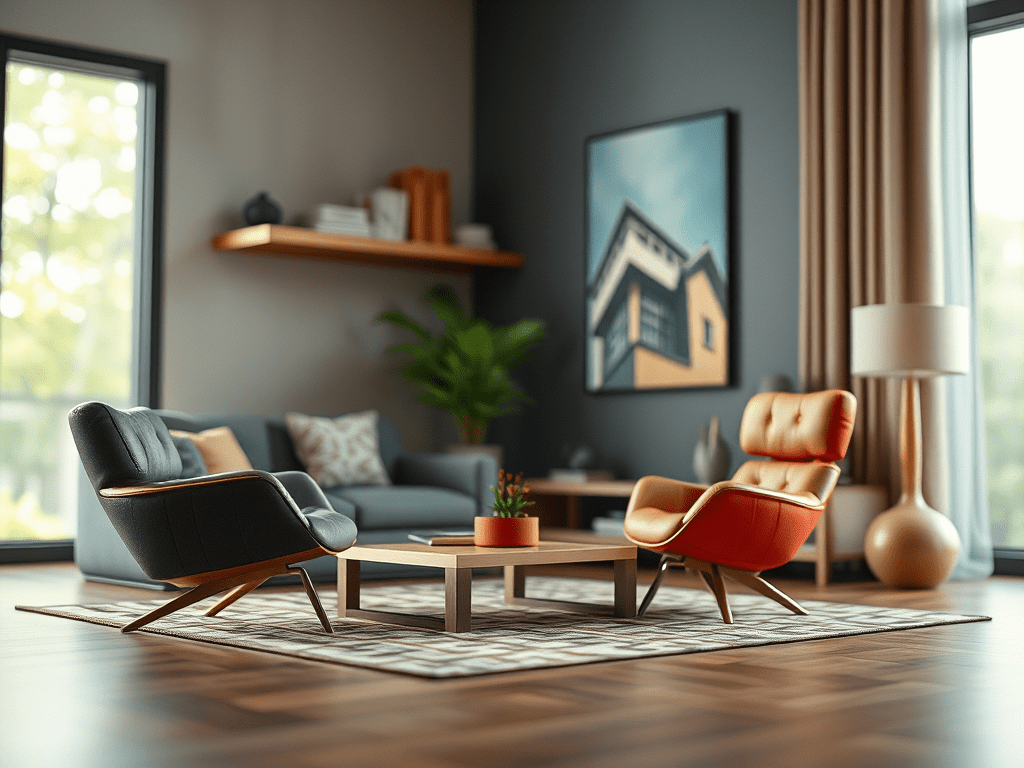
3D modeling has revolutionized several industries, providing a versatile toolset that enhances visualization, design accuracy, and user experience. From architecture to game development and product design, 3D models play an essential role in creating more dynamic, efficient, and creative workflows. Let’s explore how 3D models are used across various fields.
3D Models in Architecture
In architecture, 3D models have transformed how architects design and present their ideas. Traditionally, architects relied on 2D drawings and blueprints, but these methods often failed to fully convey the spatial dynamics of a building. 3D models allow architects to create lifelike representations of their designs, providing a realistic preview of how the structure will look and function in real life.
- Realism and Detail: Architects can create highly detailed models that include everything from structural elements to landscaping and interior furnishings. This level of realism helps clients visualize the completed project before construction begins.
- Enhanced Communication: 3D models improve communication between architects, clients, and contractors. Everyone involved can see the same representation of the project, reducing the likelihood of misunderstandings and design errors.
- Virtual Walkthroughs: With 3D models, architects can create virtual walkthroughs, allowing clients to explore the building as if they were physically inside it. This immersive experience provides better insight into space planning and design choices.
3D Models in Game Development
The gaming industry has seen some of the most innovative uses of 3D modeling, helping to bring immersive, detailed, and visually compelling worlds to life.
- Character and Environment Creation: Game developers use 3D modeling to design everything from characters to entire game environments. Models are created in detail and then textured, rigged, and animated to create lifelike movement and interaction.
- Real-Time Rendering: With modern game engines like Unity and Unreal Engine, 3D models can be rendered in real-time, allowing for dynamic interactions between characters and environments.
- Optimized Performance: Game developers must also ensure that 3D models are optimized for performance, especially in large, open-world games. High-poly models might be used for cinematic sequences, while low-poly versions are used during gameplay to maintain smooth performance.
3D Models in Product Design
In product design, 3D modeling is an essential tool that allows designers to prototype, visualize, and refine products before they are manufactured. The use of 3D models helps companies save both time and resources by testing concepts virtually.
- Rapid Prototyping: Designers can quickly create prototypes using 3D models, testing various iterations without the need for physical materials. This accelerates the design process and reduces the cost of production.
- Design Testing and Validation: Before moving to production, designers use 3D models to test how a product will function. Simulations can be run to ensure that the design is viable, safe, and ready for mass production.
- Customization: 3D models allow for easy customization of products. Designers can create multiple versions of a product with different features, colors, or sizes, all within the same model, offering personalized options to customers.
3D Models in Film and Animation
The film and animation industry heavily relies on 3D modeling to create stunning visual effects and animated characters. Whether for animated films, live-action movies, or visual effects (VFX), 3D models enhance storytelling through highly detailed and realistic visuals.
- Character Creation: In animation, 3D models are used to create characters that can be fully rigged and animated. These characters can be humanoid, animals, creatures, or even inanimate objects brought to life.
- Special Effects: 3D models are used to create special effects that would be impossible or too costly to achieve in real life. Explosions, fantasy creatures, and entire cities can be generated using 3D models.
- Set Design: In some films, entire sets are created digitally using 3D models. This is especially useful in science fiction and fantasy genres where the setting may be otherworldly or futuristic.
3D Models in Education and Medical Fields
In education and medicine, 3D modeling provides a powerful tool for learning and visualization.
- Medical Simulations: Doctors and medical professionals use 3D models to simulate surgeries, study human anatomy, and develop new medical devices. These models help professionals understand complex structures and procedures in a detailed, risk-free environment.
- Educational Tools: Teachers and educators use 3D models to explain complex concepts in science, mathematics, and engineering. For example, students can explore 3D models of molecules, planets, or even historical buildings, offering an interactive learning experience.
Conclusion: The Expanding Role of 3D Models
From architecture to game development and beyond, 3D modeling has become a fundamental tool that drives innovation, efficiency, and creativity. Its ability to create realistic and detailed representations of objects, characters, and environments makes it indispensable across a wide range of industries. As technology continues to advance, the use of 3D models will only expand, opening new doors for designers, developers, and creators alike.

Transforming Interiors with Biophilic Art and Architectural Florals
As of early 2026, the 3D modeling market is witnessing a transition toward realistic digital assets, emphasizing intentional design. Key trends include the rise of indoor plants as focal points, narrative-driven interiors, and innovative floral arrangements combining fruits and flowers. Advances in tools like 3ds Max 2026 support this creative evolution.

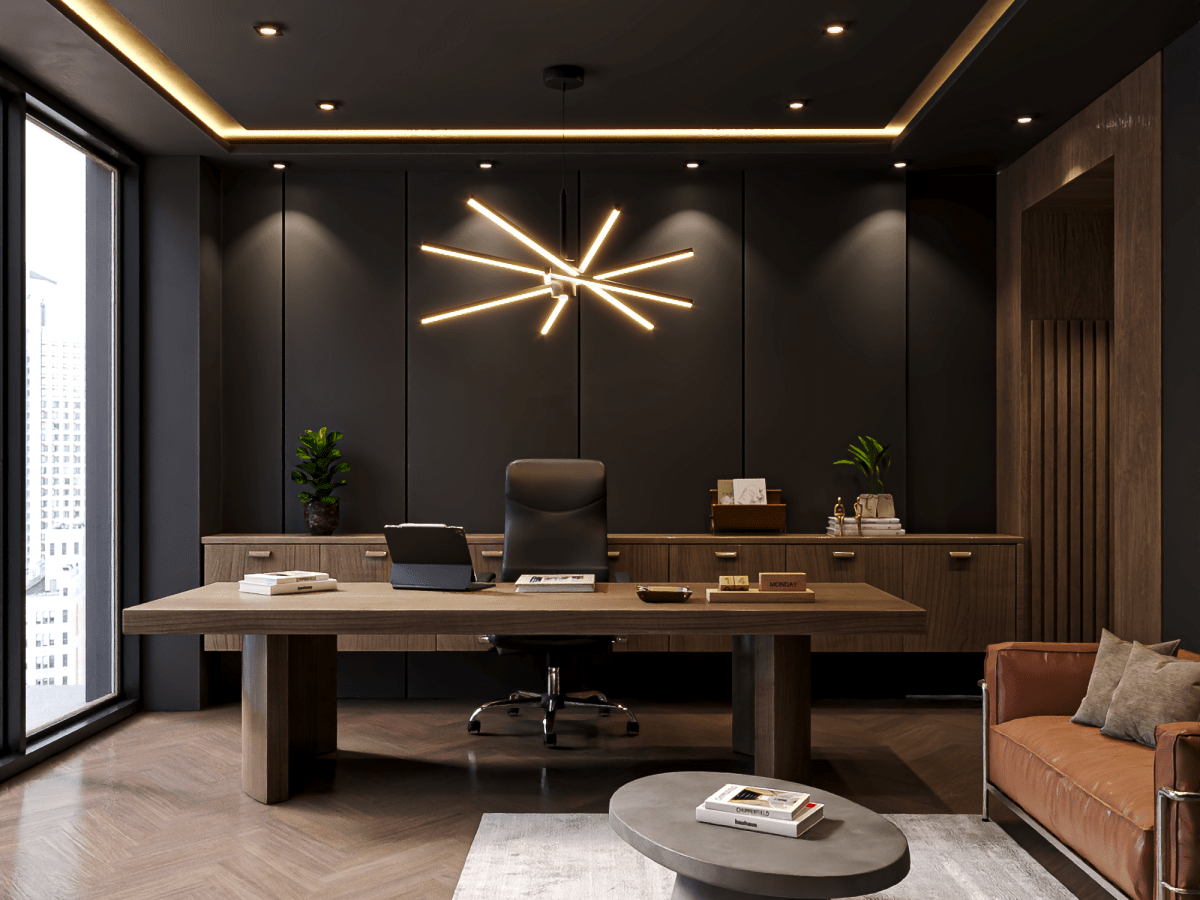
3D Modeling in 2026: What’s New in Objects, Interiors, and Office Design
In 2026, 3D modeling evolves from visual realism to emphasized design intelligence and efficiency. Designers seek “design-ready” models that integrate quickly into interiors, reflecting trends like biophilic design and human-centered spaces. The focus has shifted towards complete sets, optimization, and artistic styling over generic realism, enhancing usability in design projects.
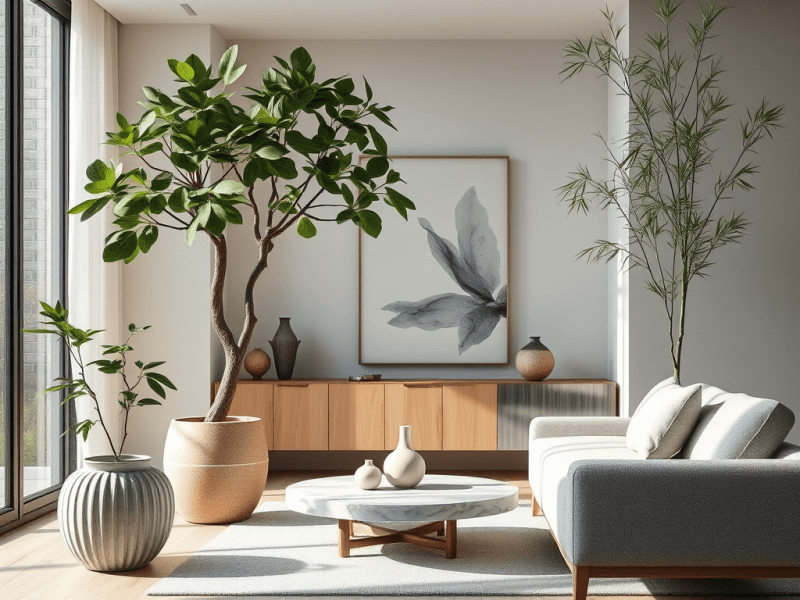
Ready-Made 3D Asset Libraries for Efficient Design
The 3D modeling industry is shifting towards hyper-realism and design intelligence, with buyers demanding AI-compatible and production-ready assets. Artazi Designs excels in ultra-realistic biophilic and minimalist models, catering to luxury interiors and eco-conscious architecture. Their curated environments streamline design processes, ensuring visual consistency and a competitive edge for professionals in the field.
 Art Azi Designs
Leave a comment